A Principal’s Story
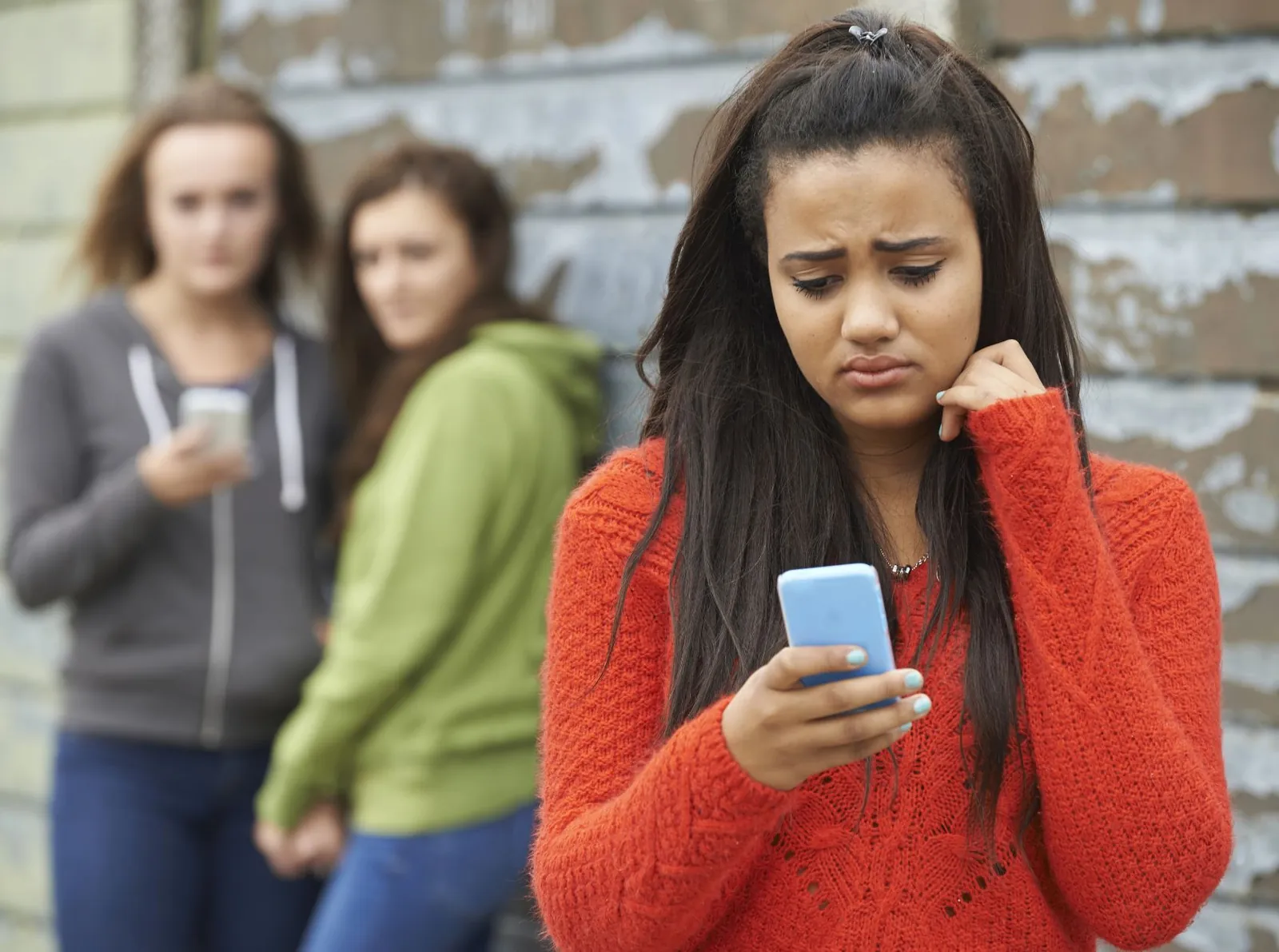
I am so grateful that I found BullyingCanada during a recent cyberbullying incident that went viral at our middle school. One student was being publicly humiliated by lies being spread about her. The situation was out of control, and we knew we needed expert help to address it.
We reached out to BullyingCanada. Their assistance proved to be a turning point for our middle school. Their team is incredibly knowledgeable, professional, and empathetic. They first worked with the student and her family to get bullies blocked, and posts deleted.
Read the Whole Story
They then provided a workshop for all our students, which covered topics such as how to recognize bullying, how to stand up to bullies, and how to use social media safely and responsibly. It was incredibly effective in helping our students feel empowered and supported. They reminded our students that they were not alone and offered help through their 24/7 support services and website.
They taught our staff how to effectively enforce our bullying policy. This inspired staff to be proactive in addressing bullying, and promoting a culture of kindness and respect.
As a school principal, I know that bullying is a serious issue that affects students of all ages. But with the right resources and support, it is possible to overcome it. BullyingCanada is an invaluable resource for students, schools and communities across the country. I would highly recommend their services to school dealing with bullying or seeking to promote a safe and supportive environment.
What is bullying?
Bullying is a form of aggressive behaviour that is intended to hurt, harm, or intimidate another person. It can be physical, verbal, or emotional in nature, and it often involves a power imbalance between the person who is bullying and the person who is being bullied.
Examples of physical bullying include hitting, kicking, or pushing another person. Verbal bullying may involve teasing, name-calling, or spreading rumours about someone. Emotional bullying can involve exclusion, shaming, or threatening behaviour.
Bullying can occur anywhere, but it is particularly common in schools. It can have serious and long-lasting effects on the mental, emotional, and physical well-being of children and young people. Children who are bullied may experience anxiety, depression, low self-esteem, and difficulty forming positive relationships with others.
As a teacher, it’s important to be aware of the signs of bullying and to take steps to prevent it from happening in your classroom or on school property. This includes setting clear expectations for behaviour, providing opportunities for students to discuss and practice conflict resolution strategies, and taking swift action if bullying does occur.
By creating a safe and supportive learning environment, you can help your students feel valued and respected, and help prevent bullying from occurring.
What are signs I should look for to spot bullying?
As a teacher, it’s important to be aware of the signs that a student may be experiencing bullying:
- Social isolation
A bullied student may avoid social situations or have difficulty making friends. They may also experience social exclusion or rejection at lunch and recess, in group activities or sports.
- Emotional distress
A bullying victim may experience emotional distress, such as anxiety, depression, or frequent mood swings. Look for stressed-out kids constantly looking over their shoulder.
- Declining self-esteem
Be aware of kids developing lower self-esteem and self-confidence, which may be affecting their academic performance and relationships with others.
- Changes in behaviour
A victim of bullying may become aggressive, withdrawn, or act out in unusual ways. Look out for kids who liked to answer questions, yet no longer speak up in class.
- Unexplained injuries
A student being physically bullied may have unexplained injuries or an abnormal amount of bruises, cuts, or strains and sprains.
- Grade drop and absenteeism
Keep an eye on students who can’t concentrate in class, have a change of heart about liking school, experience a drop in their grades, don’t want to participate in group projects, or are absent more often.
- Changed eating habits
A student who is being bullied may experience changes in their eating habits, such as losing their appetite, skipping meals, or overeating.
If you notice any of these signs in a student, it’s important to take action to address the situation. Talk to the student in a supportive and non-judgmental way, and let them know that you are there to help. Work with the school administration to create a safe and supportive learning environment, and take steps to prevent bullying from happening in your classroom.
If you have any questions or concerns, feel free to reach out to BullyingCanada for advice.
Remember, every student deserves to feel safe and respected at school. By being vigilant and proactive, you can help prevent bullying and ensure that your students thrive.
I’ve seen bullying happening at my school. How do I intervene?
If you’ve witnessed bullying at your school, it’s important to intervene in a way that is safe and effective. Here are some steps you can take:
- Stop the bullying behaviour: If you see bullying happening in front of you, step in and put a stop to the behaviour. Remain calm and assertive, and let the bully know that their behaviour is not acceptable.
- Support the victim: Once you’ve stopped the bullying behaviour, offer support to the victim. Let them know that you are there to help, and encourage them to speak to you or another trusted adult about what happened.
- Document the incident: It’s important to document any incidents of bullying that you witness. Write down the date, time, and location of the incident, as well as any details about what happened and who was involved.
- Report the incident: Report the incident to the school administration, and follow any reporting procedures that are in place. It’s important to report bullying, even if it’s not happening to your own students.
- Follow up with the victim: Check in with the victim after the incident and offer ongoing support. Let them know that you are therefor them and that you take their safety and well-being seriously.
- Educate your students: Use the incident as an opportunity to educate your students about bullying and its effects. Talk to your class about what happened and why it’s not okay, and encourage them to speak up if they see bullying happening.
Remember, it’s important to take action when you witness bullying.
By intervening and offering support, you can help prevent future incidents of bullying and create a safe and supportive learning environment for all students.
My school has a bullying policy, but it’s not enforced. Can you help?
If a school does not have an anti-bullying policy in place, it’s important for teachers and staff to take action to address the issue. Here are some steps you can take:
- Educate yourself: Learn about the signs of bullying and the impact it can have on students. Educate yourself on best practices for preventing and addressing bullying. If you have questions, feel free to reach out to BullyingCanada.
- Advocate for change: Talk to your school administration about the need for an anti-bullying policy. Share information about the impact of bullying and the benefits of having a policy in place.
- Involve parents and students: Engage parents and students in the conversation about bullying. Create a dialogue with families and students about the importance of creating a safe and respectful learning environment.
- Use available resources: Organizations including BullyingCanada can provide support and resources to schools that do not have an anti-bullying policy in place. We can offer guidance on developing a policy, provide training and education for staff and students, and offer support and counselling to students who have experienced bullying.
- Take action: Even without a formal policy in place, teachers and staff can take action to address bullying when it occurs. Document incidents of bullying, offer support to the victim, and report the incident to the appropriate school authorities.
BullyingCanada can be a valuable resource for schools that do not have an anti-bullying policy in place. Below is a Bullying Policy Template for schools. We can also provide individualized guidance on developing a policy, offer training and education for staff and students, and provide support and counselling to students who have experienced bullying.
By working together with BullyingCanada, teachers and staff can help create a safe and supportive learning environment for all students.
My school doesn’t have an anti-bullying policy. Do you have a template we can use?
Sample School Bullying Policy
Purpose
The purpose of this policy is to promote a safe, inclusive, and respectful learning environment for all students, free from bullying, harassment, and discrimination.
Definition
Bullying is defined as any repeated or systematic behaviour by a student or a group of students, directed toward another student, which causes physical or emotional harm, creates a hostile environment, or interferes with a student’s academic performance or ability to participate in school activities.
Policy
Our school is committed to creating and maintaining a safe and inclusive learning environment for all students. We will not tolerate any form of bullying, harassment, or discrimination, and we will take all reasonable steps to prevent and address such behaviour.
All students, staff, and parents have a responsibility to promote a safe and respectful school environment. We encourage students to report any incidents of bullying or harassment they witness or experience to a teacher, guidance counsellor, or school administrator.
Investigating and Responding to Bullying
When a report of bullying or harassment is received, the school will conduct a thorough and objective investigation. The investigation will include interviews with the victim, the alleged bully, and any witnesses.
If it is determined that bullying or harassment has occurred, appropriate disciplinary action will be taken, which may include counselling, mediation, suspension, or expulsion. The school will also take steps to ensure that the victim is safe and supported and that any harm caused by the bullying is addressed.
Prevention and Education
Our school will take proactive steps to prevent bullying and promote a culture of kindness, respect, and inclusion. This includes:
- Educating students, staff, and parents about bullying, harassment, and discrimination, and their impact on individuals and the school community.
- Providing opportunities for students to develop skills and strategies to address and prevent bullying and to promote positive relationships.
- Encouraging students to report any incidents of bullying or harassment they witness or experience.
- Providing support and resources for students who have been bullied, including counselling, mentoring, and peer support programs.
- Fostering a school culture that promotes respect, empathy, and kindness towards others.
This policy will be reviewed annually and updated as necessary to ensure its effectiveness in preventing and addressing bullying and promoting a safe and respectful school environment.
I have a student who was bullied off-campus. Can BullyingCanada help them?
Yes, BullyingCanada can provide support and resources to students who have experienced bullying, even if the bullying occurred outside of school grounds. Here are some ways that BullyingCanada can help:
- Counselling
BullyingCanada provides free counselling services to those who have experienced bullying, regardless of where it occurred. Students can speak to a trained counsellor who can provide support and guidance on how to cope with bullying.
- Resources
BullyingCanada has a wealth of resources available on our website, including information on how to identify bullying, how to report bullying, and how to build resilience and self-esteem. These resources can be accessed from anywhere, making them a valuable tool for students who have experienced bullying off school grounds.
- Advocacy
BullyingCanada can act as an independent advocate for students who have experienced bullying, working with schools, law enforcement, and other organizations to address bullying and ensure that the student is safe.
- Education
BullyingCanada is committed to educating the public about bullying and its effects. They offer presentations and workshops to schools, community groups, and other organizations to raise awareness and promote positive change.
- Support
BullyingCanada provides a safe and supportive space for those who have experienced bullying. Students who have been bullied on or off school grounds can connect with others who have been through similar experiences and receive support and encouragement from a community that understands what they are going through.
It’s important for students to know that they are not alone and that help is available. By reaching out to organizations like BullyingCanada, students who have experienced bullying can find the support and resources they need to cope with the situation and build a brighter future.
Do you have a lesson plan on bullying I can use in my classroom?
BullyingCanada can help by providing a range of free lesson plans.
Topics covered include identifying different types of bullying, understanding the impact of bullying on mental health and well-being, and developing conflict resolution skills. Additionally,BullyingCanada offers lesson plans on cyberbullying and promoting kindness and inclusivity in the classroom.
To access these free lesson plans, or if a teacher has any questions or needs assistance adapting the lesson plans to their specific classroom, they can contact BullyingCanada for further support.
BullyingCanada is committed to helping teachers create a safe and respectful learning environment for all students and is always available to provide assistance and guidance as needed.
Do you offer school presentations on bullying?
Yes, we do offer school presentations on bullying!
Our Empowering Youth Workshops are designed to educate students about bullying and its effects, and provide students with the tools and strategies they need to prevent bullying from happening in their school and community.
Our presentations are interactive, engaging, and age-appropriate, and can be tailored to meet the specific needs of your classroom or school.
During our presentations, we cover a range of topics, including identifying different types of bullying, understanding the impact of bullying on mental health and well-being, and developing conflict resolution skills.
We also offer presentations on cyberbullying and promoting kindness and inclusivity in the classroom.
We are happy to work with you to schedule a time that is convenient for your classroom or school. If you’re interested in having us come and speak to your students, please contact us, and we’ll be happy to set it up.
We’re committed to helping students create a safe and respectful learning environment, and we look forward to working with you!
What services does BullyingCanada offer to kids bullied at schools?
If a student is being bullied at school, BullyingCanada can provide support and resources to help the student cope with the situation. Here are some ways that BullyingCanada can help:
- Counselling
BullyingCanada provides free counselling services to those who have experienced bullying, including students who are being bullied at school. The student can speak to a trained counsellor who can provide support and guidance on how to cope with the bullying.
- Resources
BullyingCanada has a wealth of resources available on our website, including information on how to identify bullying, how to report bullying, and how to build resilience and self-esteem. These resources can be accessed from anywhere, making them a valuable tool for students who are being bullied at school.
- Advocacy
BullyingCanada can act as an advocate for the student by working with the school administration to address the bullying and ensure that the student is safe. They can also provide information on the student’s rights and help the student navigate the reporting process.
- Education
BullyingCanada is committed to educating the public about bullying and its effects. They offer presentations and workshops to schools, community groups, and other organizations to raise awareness and promote positive change.
- Support
BullyingCanada provides a safe and supportive space for those who have experienced bullying. Students who are being bullied at school can connect with others who have been through similar experiences and receive support and encouragement from a community that understands what they are going through.
It’s important for students who are being bullied at school to know that they are not alone and that help is available. By reaching out to BullyingCanada, students can find the support and resources they need to cope with the situation and build a brighter future.
Do you have wallet cards I can give to my students to promote your service?
Yes, we do offer wallet cards that you can use to promote our services to your students! Our wallet cards provide information about our 24/7 Lifeline: Bullied Kids Support Network, as well as our counselling and advocacy services.
They’re a great way to let your students know that help is available if they are experiencing bullying or other forms of abuse.
Our wallet cards can be ordered directly from our website. Simply scroll to our website footer and visit the ‘Get Involved > Wallet Cards’ section of our website and select ‘Order Wallet Cards’ to place your order
We’ll send you the cards as soon as possible, and you can distribute them to your students, parents, and other members of your school community.
We appreciate your efforts to promote our services and help create a safe and respectful learning environment for all students. If you have any questions or need further assistance, please don’t hesitate to contact us. We’re here to help!