Let’s discuss bullying.
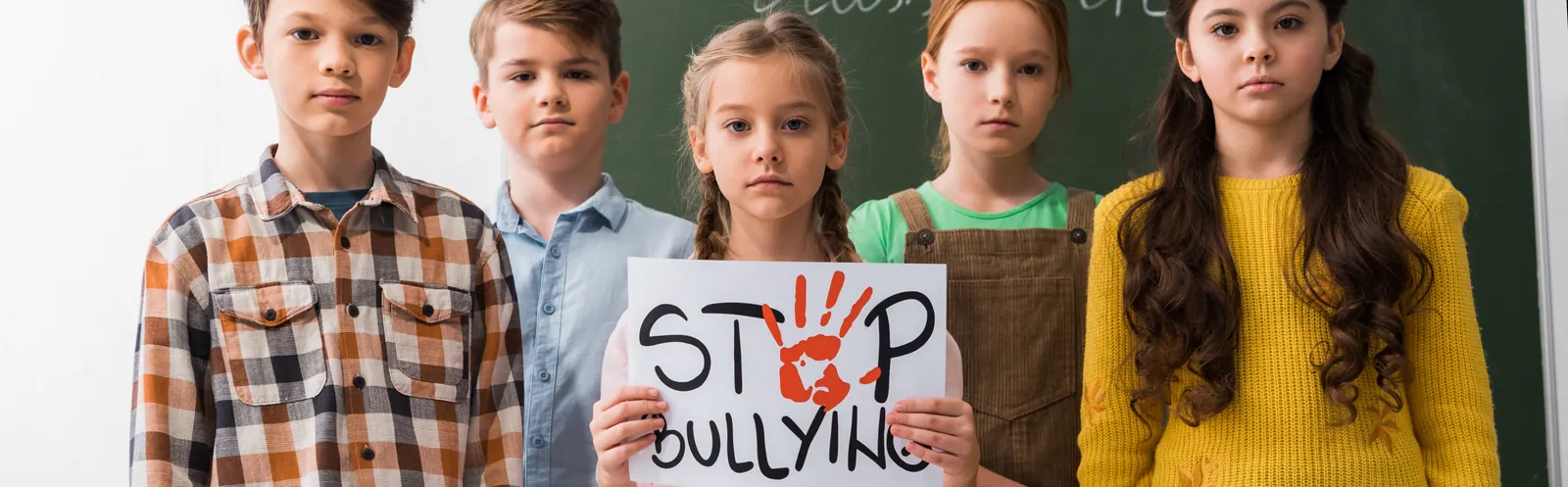
Many kids have a good idea of what bullying is because they see it every day! Bullying happens when someone hurts or scares another person on purpose and the person being bullied has a hard time defending themselves. So, everyone needs to get involved to help stop it.
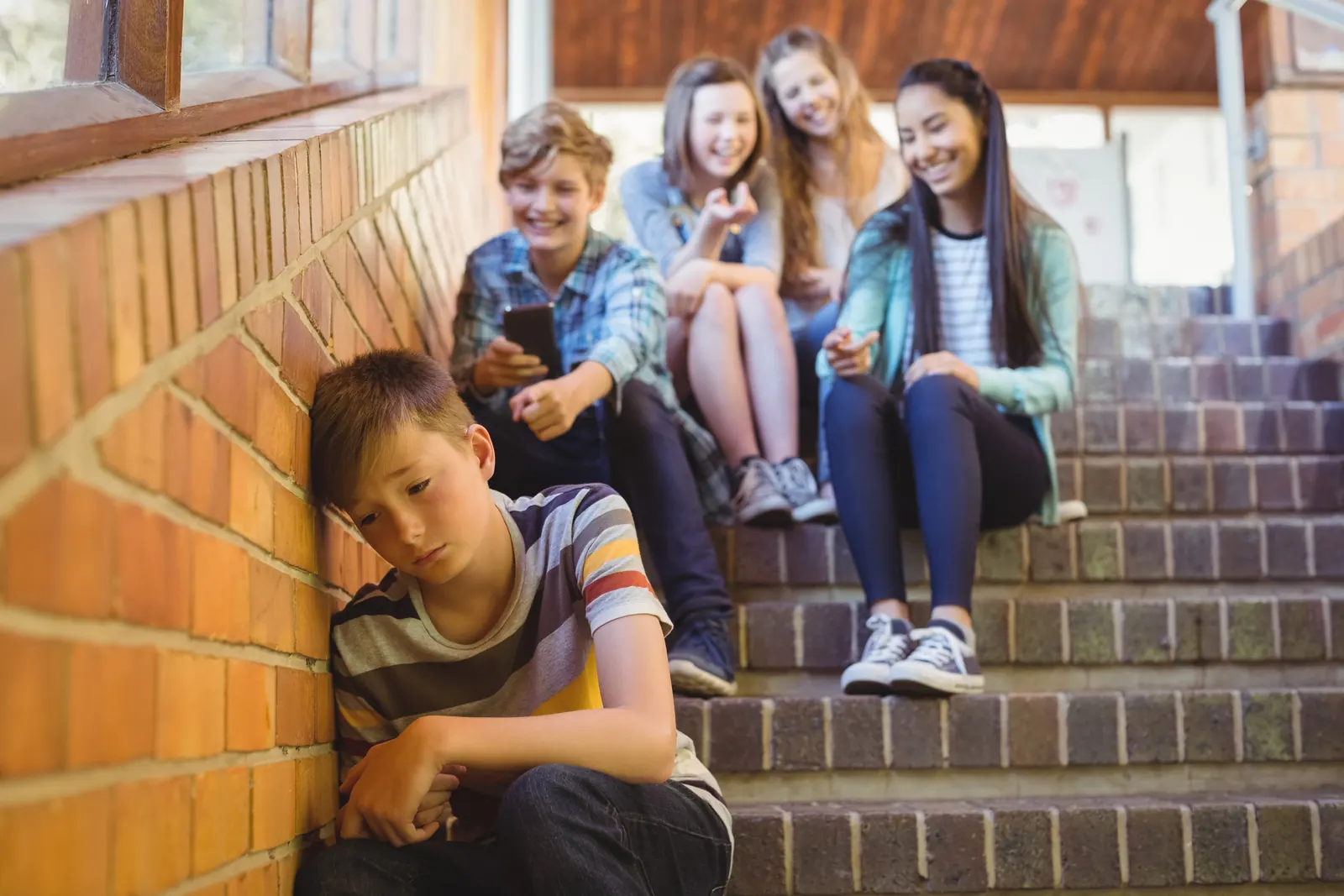
Bullying is wrong! It is behaviour that makes the person being bullied feel afraid or uncomfortable. There are many ways that young people bully each other, even if they don’t realize it at the time.
Some of these include:
- Punching, shoving and other acts that hurt people physically
- Spreading bad rumours about people
- Keeping certain people out of a group
- Teasing people in a mean way
- Getting certain people to “gang up” on others
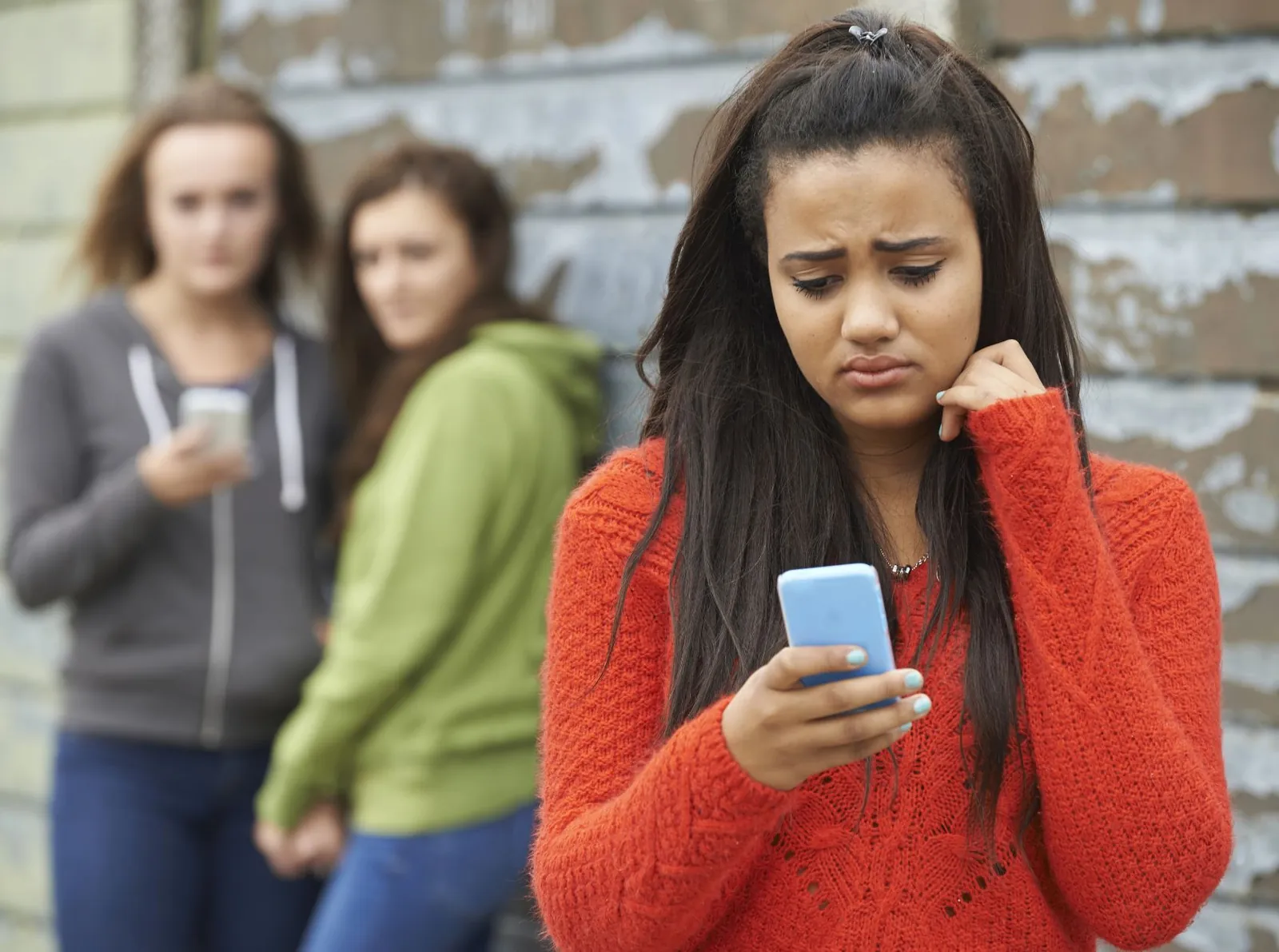
- Posting hateful messages or lies about people online
The most common types of bullying are:
- Verbal bullying – name-calling, sarcasm, teasing, spreading rumours, threatening, unwanted sexual comments, making negative references to one’s culture, ethnicity, race, religion, gender, or sexual orientation.
- Social bullying – mobbing, scapegoating, coercing, excluding others from a group, humiliating others with public gestures or graffiti intended to put others down.
- Physical bullying – hitting, poking, pinching, chasing, shoving, destroying or stealing belongings, unwanted sexual touching.
- Cyber bullying – using the Internet or text messaging to intimidate, put down, spread rumours or make fun of someone.
Bullying makes people upset. It can make kids feel lonely, unhappy and frightened. It can make them feel unsafe and think there must be something wrong with them. Children and youth can lose confidence and may not want to go to school anymore. It may even make them sick.
Some people think bullying is just part of growing up and a way for young people to learn to stick up for themselves. But bullying can have long-term physical and psychological consequences. Some of these include:
- Withdrawal from family and school activities; wanting to be left alone.
- Shyness
- Stomachaches
- Headaches
- Panic attacks
- Not being able to sleep
- Sleeping too much
- Being exhausted
- Nightmares
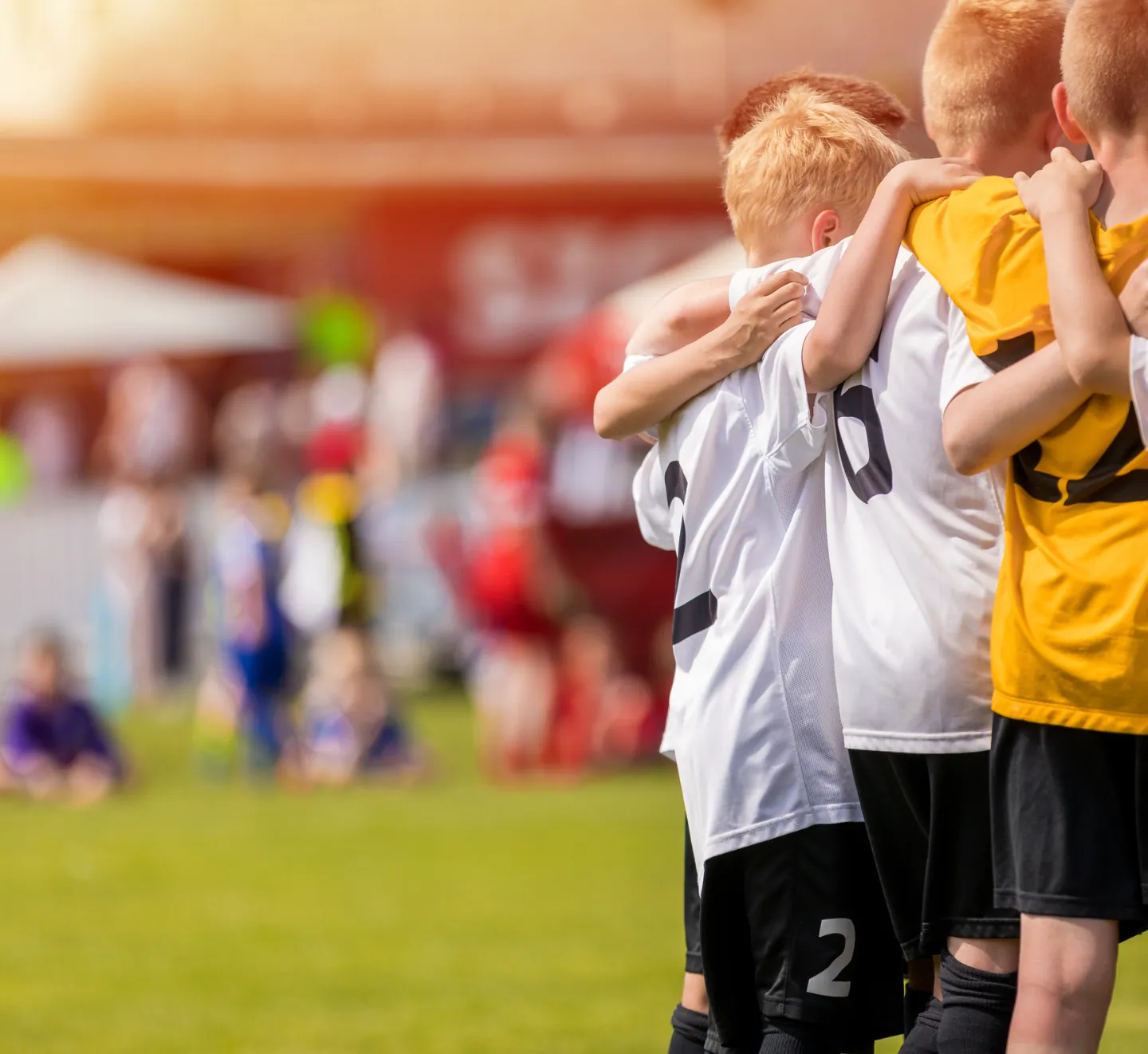
If bullying isn’t stopped, it also hurts the bystanders as well as the bullies. Bystanders are afraid they could be the next victim. Even if they feel badly for the person being bullied, they avoid getting involved to protect themselves or because they aren’t sure what to do.
Children who learn they can get away with violence and aggression may continue to do so in adulthood. They have a higher chance of getting involved in dating aggression, sexual harassment, and criminal behaviour later in life.
Bullying can have an effect on learning
Stress and anxiety caused by bullying and harassment can make it more difficult for kids to learn. It can cause difficulty in concentration and decrease their ability to focus, which affects their ability to remember things they have learned.
Bullying can lead to more serious concerns
Bullying is painful and humiliating, and kids who are bullied feel embarrassed, battered and shamed. If the pain is not relieved, bullying can even lead to consideration of suicide or violent behaviour.
How common is bullying?
- 47%Approximately half of Canadian parents have reported that they have a child who is a victim of bullying. (1)
- 2XCyberbullying victims are twice as likely to attempt suicide (2)
- + RiskBeing bullied increases the risk of depression, low self-esteem and suicidal ideas. (3)
- 4XLGBTQ2S youth are almost 4 times more likely to be cyberbullied than heterosexual youth. (4)
- + RiskUnchecked young bullies may, as adults, engage in workplace harassment, abusive & other forms of criminal behaviour. (5)
- Easy targetKids with disabilities are seen as easy targets by angry and frustrated peers. (6)
Sources
- Vaillancourt et al., 2010, Statistics Canada, 2016
- Hinduja and Patchin,,2010
- Klomek et al., 2015
- Peter, T., Campbell, C.P. & Taylor, C. (2021) Still in every class in every school: Final report on the second climate survey on homophobia, biphobia, and transphobia in Canadian Schools. Key Takeaways. Toronto, ON: Egale Canada Human Rights Trust
- Ttofi, Farrington, Losel, & Loeber, 2011
- Menesini and Salmivalli, 2017