A Coach’s Story
As a high school hockey coach, I was devastated when I discovered that some of my players took roughhousing too far and were bullying a kid. I knew I needed to take action, but I wasn’t sure what to do. That’s when I discovered BullyingCanada’s 24/7 Lifeline: Bullied Youth Support Network. It was a true lifesaver.
BullyingCanada provided me with the resources and guidance I needed to address the bullying and help my players understand the impact of their actions.
Read the Whole Story
They helped me develop a plan of action, which included having BullyingCanada give a workshop to my team on the impact of bullying on kids, what kids should do if they were being targeted by bullies, and the importance of being an ally to those who are being bullied.
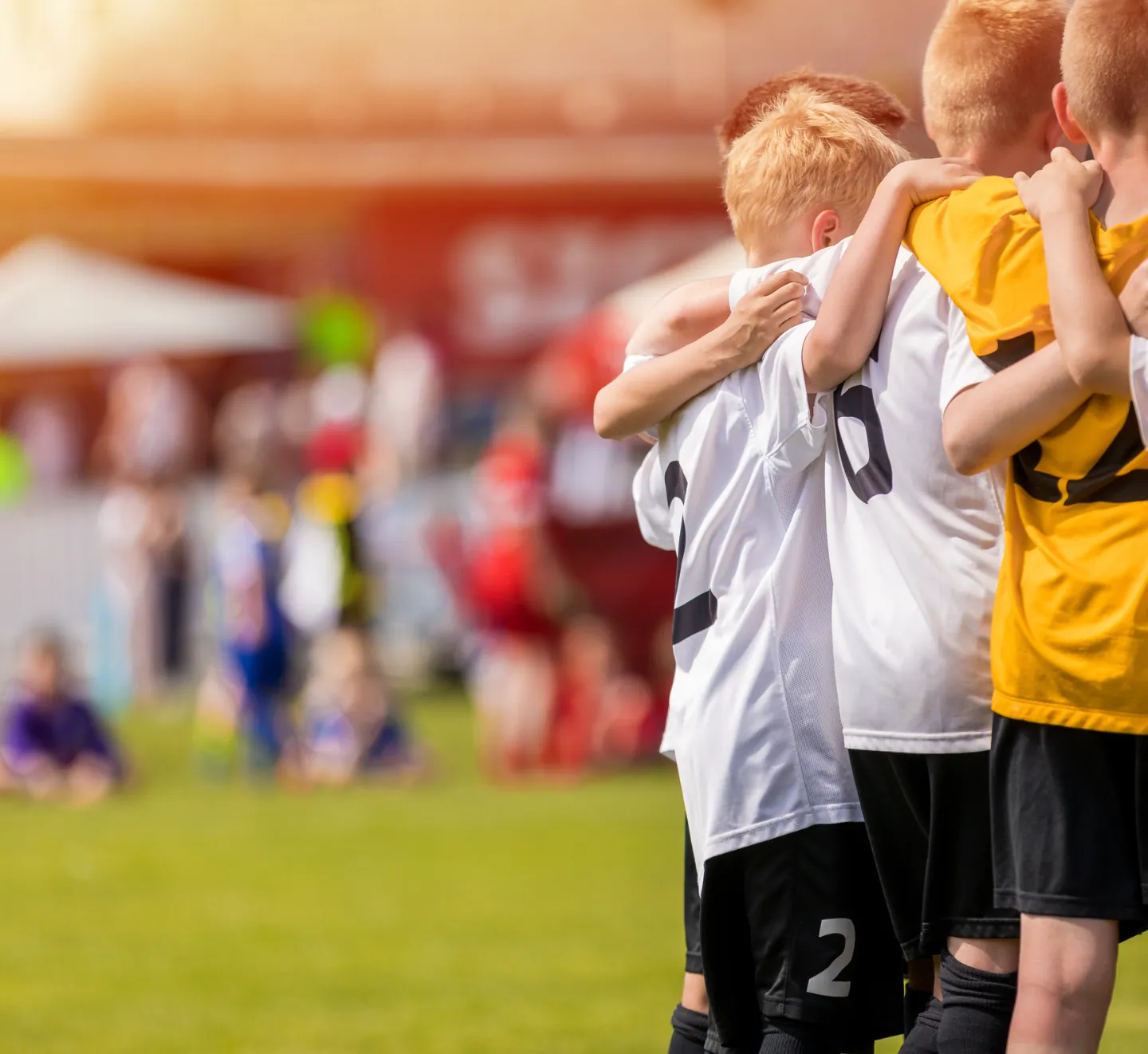
Thanks to BullyingCanada, my team was able to properly address and overcome our bullying situation, and learn the importance of treating teammates with kindness and respect, in the spirit good sportsmanship. They helped my players become part of the solution, rather than part of the problem.
Bullying is a serious issue that can have serious long-term effects on kids. It’s essential to nip issues in the bud by getting a handle on these issues right away - and getting the best advice when you’re not sure how to handle these matters properly.
I highly recommend BullyingCanada to coaches dealing with bullying of their athletes, and for any players who can benefit from one-on-one advice from experts on bullying intervention.
What is the difference between bullying and regular roughhousing?
There is a significant, critical difference between the two.
Roughhousing is a form of play that involves physical activity and horseplay. It is typically consensual, non-aggressive, and non-threatening. Roughhousing may involve playful physical contact, such as wrestling, tickling, or chasing, but it is done in a way that is safe and respectful.
Bullying, on the other hand, is a form of repeated, intentional aggression that is designed to harm or intimidate another person. It involves a power imbalance, where the bully uses their strength, status, or popularity to control and manipulate their victim. Bullying can take many forms, including physical, verbal, social and online bullying, and can cause serious emotional and psychological harm.
By understanding the difference, you can encourage safe and respectful play amongst your athletes. You can model positive behaviour, set clear expectations for what behaviours ar unacceptable, and intervene when necessary to prevent bullying from occurring.
If you are concerned that bullying may be occurring among your athletes, it’s important to address the issue promptly and effectively. You can work with school or community centre administration, parents, and other coaches to make your teams safe spaces for kids. If you need more advice on how to do so, contact BullyingCanada at any time.
Do you have wallet cards I can give to my athletes to promote your service?
Yes, we do offer wallet cards that you can use to promote our services to your athletes! Our wallet cards provide information about our 24/7 support service, as well as our counselling and advocacy services.
They’re a great way to let your team know that help is available if they are experiencing bullying or other forms of abuse.
Our wallet cards can be ordered directly from our website. Simply scroll to our website footer and visit the ‘Get Involved > Wallet Cards’ section of our website and select ‘Order Wallet Cards’ to place your order.
We’ll send you the cards as soon as possible, and you can distribute them to your athletes, parents, and other members of your sports team community.
We appreciate your efforts to promote our services and help create a safe and respectful environment for all kids. If you have any questions or need further assistance, please don’t hesitate to contact us. We’re here to help!
How can I help a bullied kid?
If you are approached by a child who says that they are being bullied, it’s important to take their concerns seriously and take action to address the situation.
Here are some steps coaches can take to help a kid who is being bullied:
- Listen to the child: The first step is to listen to the child and take their concerns seriously. Let them know that you are there to support them and that you will do what you can to help.
- Document the incidents: If the child is willing, ask them to document any incidents of bullying that have occurred. This can help provide evidence of the bullying and inform any further action that is taken.
- Report the bullying: The coach should report the bullying to the appropriate authorities, such as the school administration, or the organisation that governs the sport. This will help ensure that the bullying is properly documented and addressed.
- Provide support: The coach can provide emotional support to the child, letting them know that they are not alone and that they have people who care about them. The coach can also encourage the child to talk to a trusted adult, such as a parent or teacher, about their experience.
- Encourage positive behaviour: The coach can model positive behaviour and encourage positive interactions among their athletes. They can also lead team discussions on the importance of respect and inclusivity.
- Seek further support: Organisations like BullyingCanada can provide additional support and resources for coaches who are dealing with bullying in their sports teams. They can offer guidance on how to address bullying, provide training and education for coaches and athletes, and offer support and counselling to kids who have experienced bullying.
By taking action to address bullying and providing support to kids who are being bullied, sports coaches can help create a safe and respectful environment for their athletes.
Do you offer presentations to sports teams on bullying?
BullyingCanada offers presentations and workshops that can be tailored to meet the needs of sports teams. These presentations are designed to educate athletes, coaches, and other team members about bullying and its effects, and provide them with the tools and strategies they need to prevent bullying from happening in their team and community.
The workshops can cover topics such as identifying different types of bullying, understanding the impact of bullying on mental health and well-being, and developing conflict resolution skills.
During these presentations, BullyingCanada can also provide information on how to report incidents of bullying and harassment, how to create a safe and inclusive team culture, and how to build resilience and self-esteem.
BullyingCanada’s presentations and workshops are interactive, engaging, and age-appropriate, and can be tailored to meet the specific needs of the sports team. They are delivered by trained professionals who have extensive experience in addressing bullying in sports settings.
If you’re interested in having BullyingCanada come and speak to your sports team, you can contact us through our website to discuss your specific needs and schedule a presentation. We are committed to helping athletes and coaches create a safe and respectful team environment, and look forward to working with you!