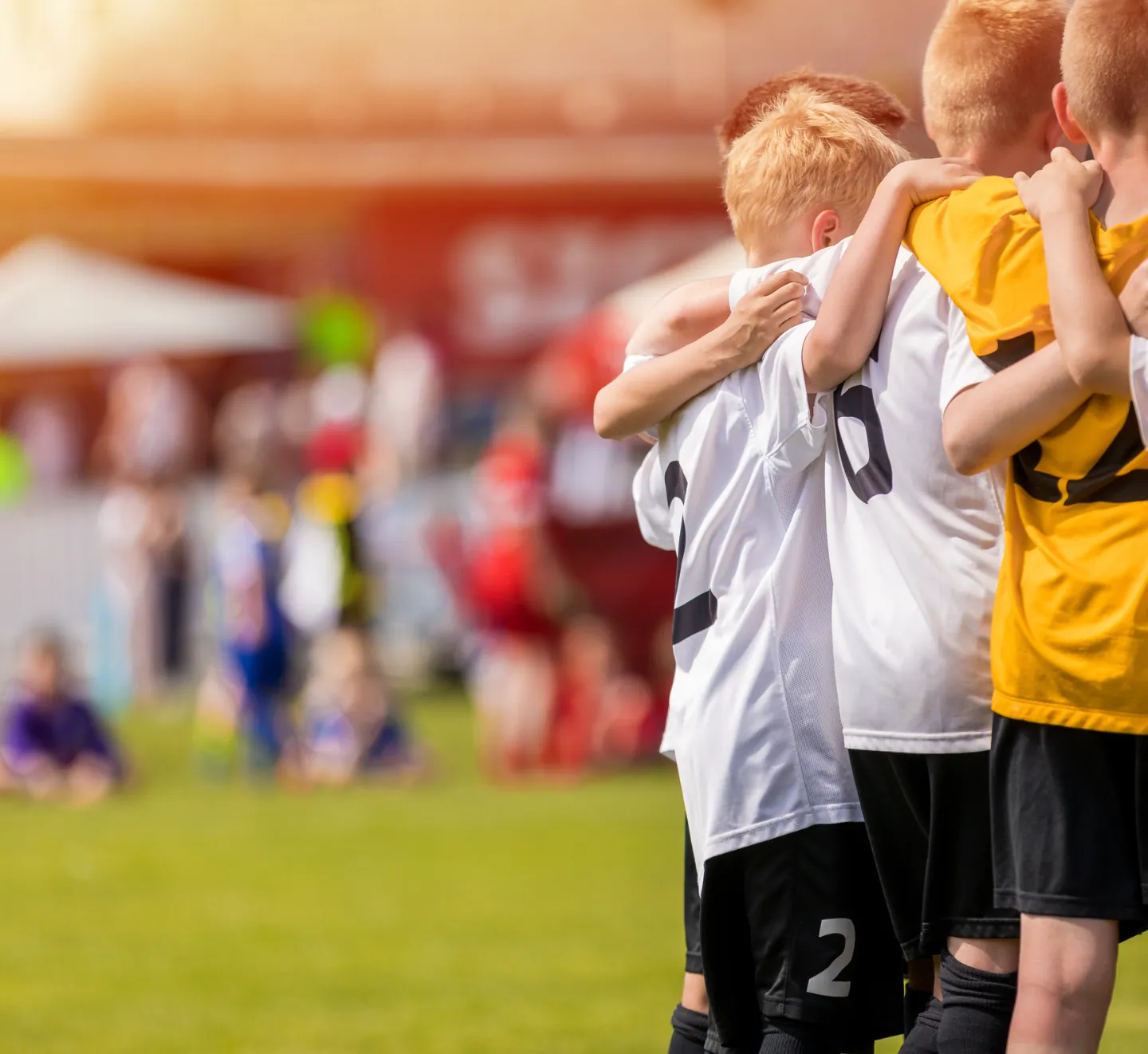
If you’re being bullied, you’re not alone.
Jake was in grade 9, and loved his new high school. He enjoyed learning new things and spending time with his friends. But one day, as he turned in to the schoolyard, Jake passed a group of older students.
“Hey, kid with the ugly jacket!”, one said to him. “Anything good in your backpack? Like food? Money?” Jake was suddenly dragged behind a big tree. One boy pulled off his backpack. Another held him down as the rest of the gang went through his backpack, taking his lunch and bus pass. They ran off laughing, saying “See ya tomorrow. Have your mom pack you a bigger lunch next time!”
Jake felt scared. He wanted to help, but felt if he told someone, the boys might beat him up. So, he decided to contact BullyingCanada and ask them what he should do.
BullyingCanada is available 24/7 to help kids like Jake who are being bullied. They provide sensible advice and get involved to make sure bullied kids get the help they need to feel safe and happy again.
Jake got up the courage to contact BullyingCanada before going to bed that night. Someone answered his call within a minute.
A kind volunteer listened to Jake and asked him some questions. She encouraged him to talk to his homeroom teacher or school guidance counsellor and tell them what happened. She also reminded him that he wasn’t alone and that he had the right to feel safe at school.
Jake felt better, and the next day, he avoided the boys by taking another way into the school, and he went straight to his teacher. The teacher asked who had done this to him, and said she’d help him out. Later that day, Jake noticed his teacher taking all mean boys to the principal’s office. After that, the boys left him — and other kids at school — alone.
Jake felt relieved and was very glad BullyingCanada taught him how to take action and make his school a safer place for everyone.
Inspired by the work of BullyingCanada, Jake bravely helped other kids when he saw them getting bullied. When he didn’t know how to help, he told them what he had learned — that they were not alone — and to call BullyingCanada.
If Jake can ask for help, so can you!
Years later, Jake never forgot the help he got from BullyingCanada, and how he could follow their advice to help other bullied kids. He wanted to do more, and now, he is a BullyingCanada volunteer for a few hours a week.
Jake got training on how to handle all kinds of bullying and helps kids come up with solutions to get their bullies to leave them alone. He even talks to their parents and teachers, to bring in additional help for bullying victims. He gives kids hope they’ll be safe again when he tells them that he was bullied too, and BullyingCanada helped him when he was young.
What is bullying?
It’s not a fun game or a cool way to impress your friends. In fact, it’s quite the opposite.
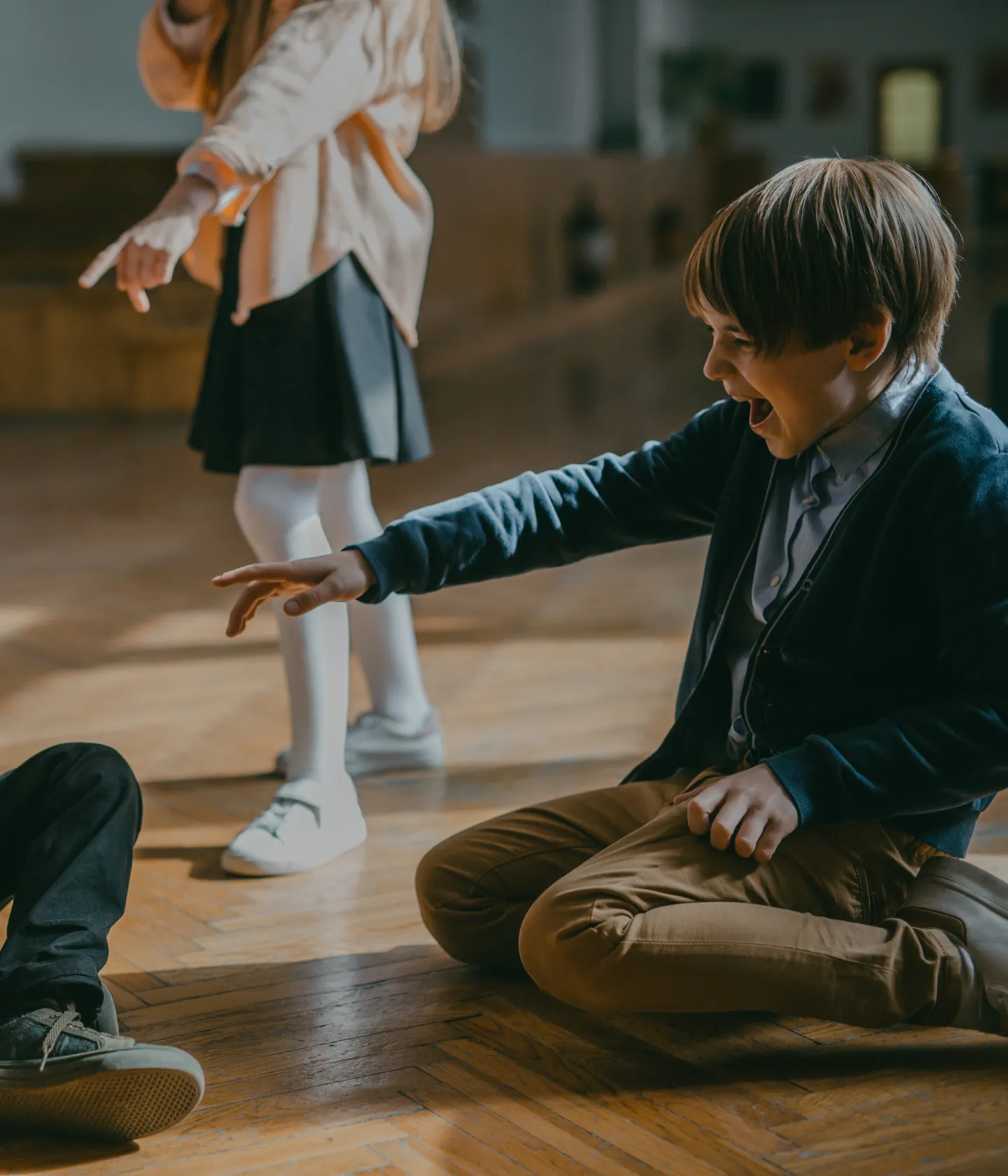
Bullying is when someone repeatedly tries to hurt or humiliate another person on purpose. It can be physical, like hitting, pushing or tripping someone, or it can be verbal, like calling someone mean names, spreading rumours, or making fun of someone’s appearance, religion, or culture.
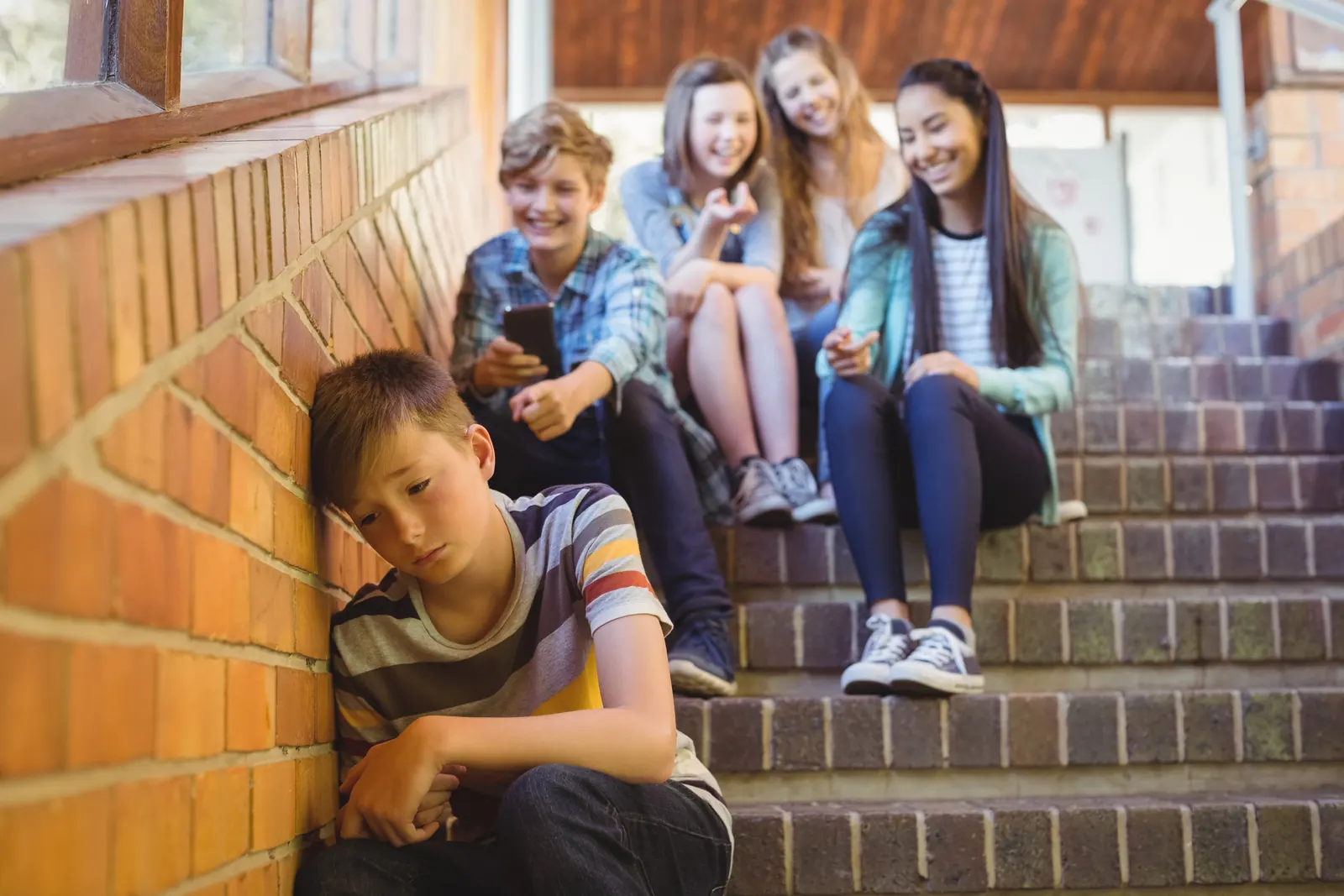
Bullying can happen at school, on the playground, in your neighbourhood, through texting, or even online. And l let me tell you, it’s never a laughing matter. Bullying can cause serious harm to the person being bullied, both physically and emotionally. It can make them feel sad, scared, lonely, sick, or even depressed.
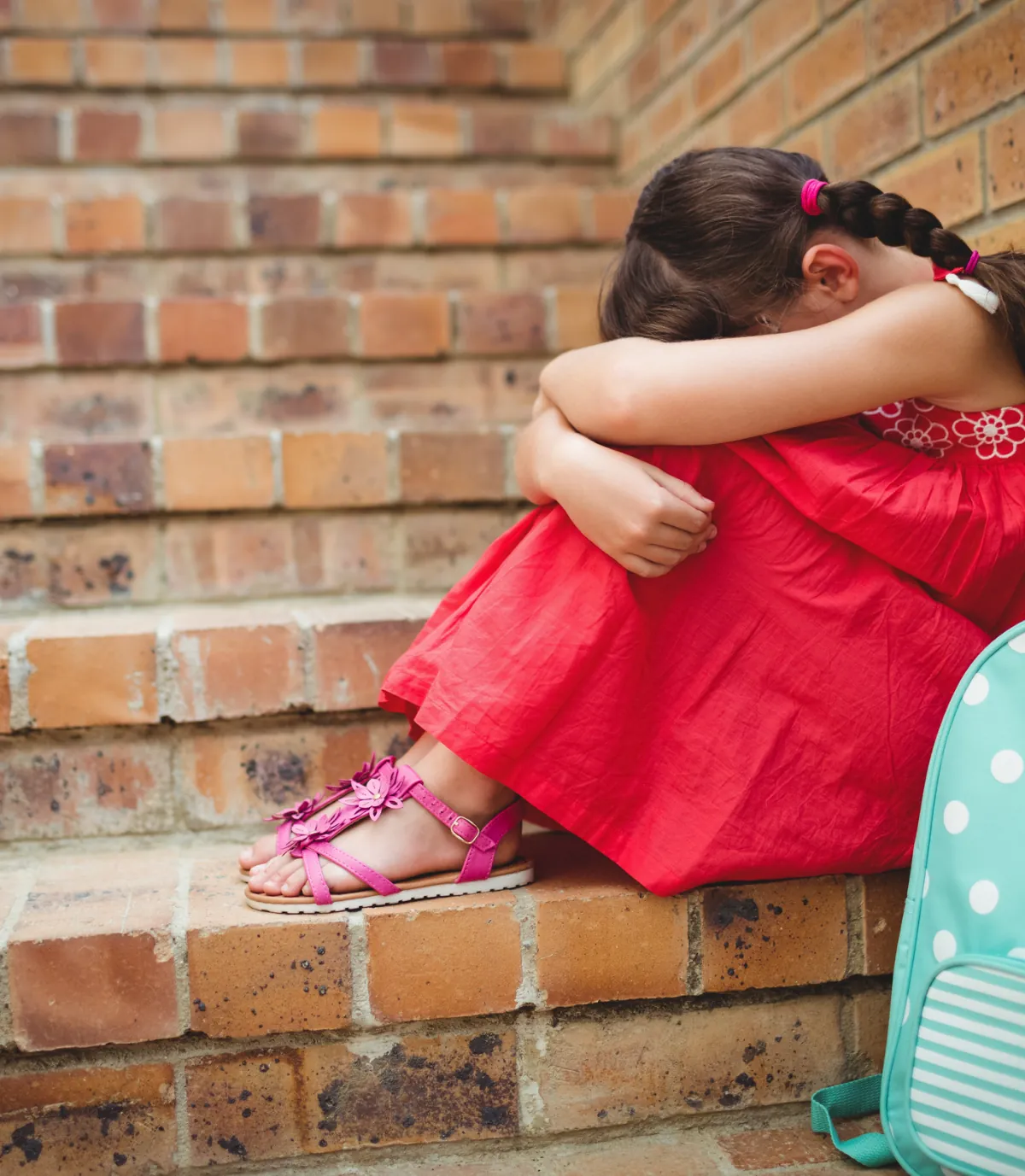
What do I do if I’m being bullied?
Bullying is never okay. Here are some steps you can take to stop the bullying:
- Stay calm and confident. It can be scary to be bullied, and bullies often target people who seem weak or unsure of themselves. Calmly ask if you’ve done anything to upset them and listen to what they say. You can also tell them to stop, then walk away. Ignoring them is often better than fighting back. Arguing and yelling can make things worse and you might end up getting hurt in a fight.
- Write down what happened with the bully, including names, where it happened, and when. This can help you remember important details and can be useful if you need to report the bullying.
- Stay away from the bully. If possible, try to avoid the bully and stay away from places where they hang out. If you have to be around them, do so with a friend and remember to always stay in a public place. If they are bullying you through texting, block their phone number. If they are bugging you on social media, unfriend and block them.
- Tell a trusted adult. Whether it’s a teacher, parent, or counsellor, tell someone you trust about the bullying. They can help you come up with a plan to stop it and keep you safe.
- Get expert advice: If an adult you know can’t help, remember to reach out to BullyingCanada. We’re here to help — any time, any day! We even have counsellors available if you’re feeling really bad, or you’re having a hard time getting over being bullied.
Remember, you have the right to feel safe and respected. If the bullying doesn’t stop, don’t give up. And don’t feel bad about asking for help!
How can I safely help other kids?
Bullying is never okay, and if you see someone being bullied, you can make a big difference by taking action! Here are some things you can do to help:
- Speak up! Let the bully know that what they’re doing is not okay. You can say something like, “Stop being mean!” or “That’s not cool, leave them alone.” Speaking up takes a lot of courage, but it’s important to show the bully that their behaviour is not acceptable.
- Be a friend! Being bullied can be really tough, so it’s important to let the person being bullied know that you’re there for them. You can say something like, “I’m sorry that happened. Do you want to talk about it?” Or, you can invite them to hang out with you or include them in your activities. This will help them feel less alone and more supported.
- Get help! If the bullying is serious or you don’t feel comfortable intervening, it’s important to tell a teacher, parent, another trusted adult, or to contact BullyingCanada if those don’t feel like options. We can help put a stop to the bullying and make sure everyone is safe.
- Be a role model! One of the best ways to prevent bullying is to be a kind, respectful, and empathetic person. You can show others how to treat people with respect by being a good role model. Try to welcome others to join your activities and groups, and be a friend to those who might need it.
Remember, standing up to bullies is not always easy, but it’s the right thing to do. If you ever need help or support, don’t be afraid to reach out to a trusted adult or BullyingCanada. And if you’re ever the one being bullied, remember that it’s not your fault and there are people who can help you.
What is cyberbullying?
It’s when someone uses technology, like a phone or computer, to hurt or embarrass someone else.
For example, someone might text you mean messages or post hurtful or threatening comments about you on social media. Cyberbullying can also include spreading false rumours about you or posting embarrassing pictures or videos online without your permission.
Cyberbullying can be really hurtful because it can be public, and it can happen anytime. The bully doesn’t have to be near you to be mean. It can scary because you may feel like you can’t get away from your bully.
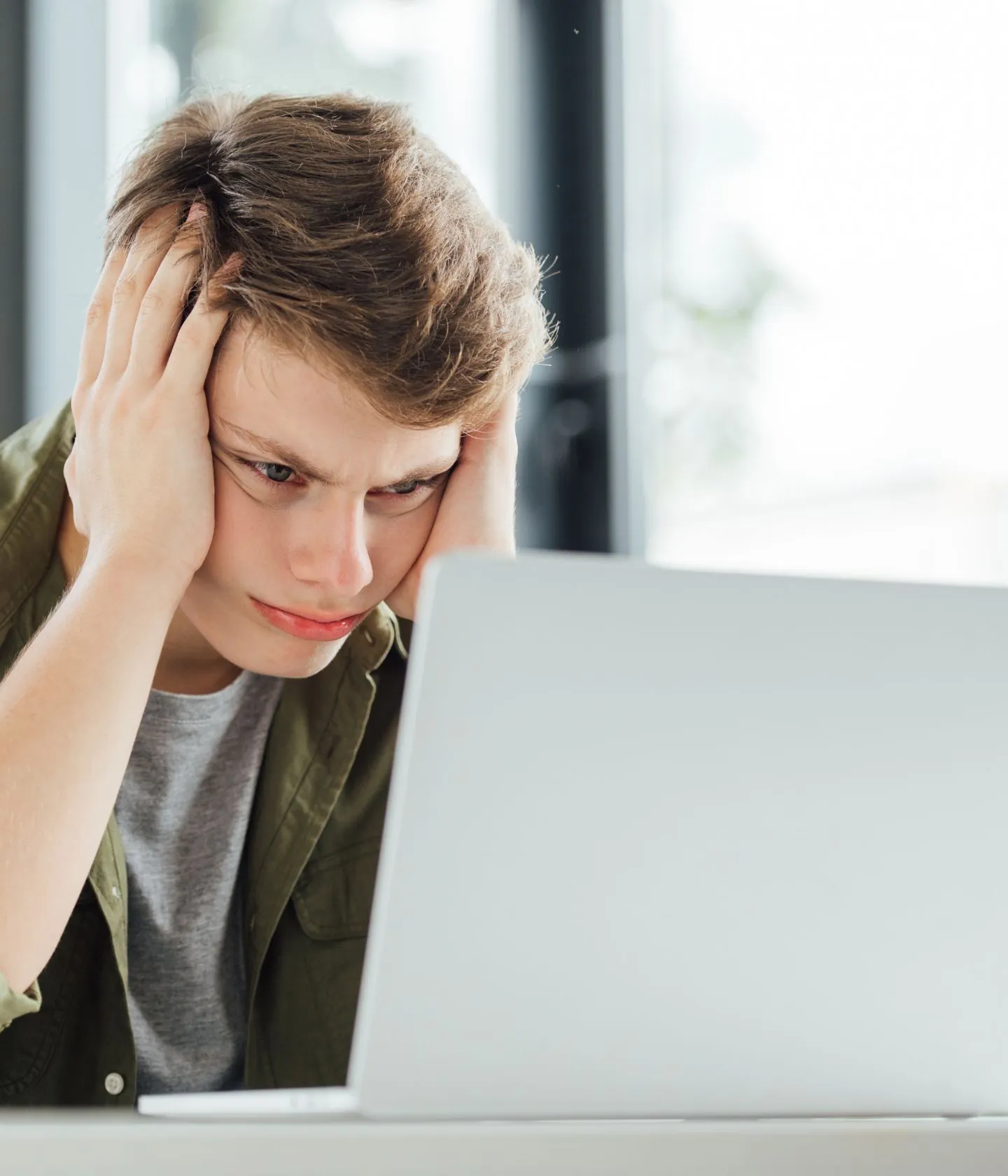
What do I do if I’m being cyberbullied?
You have the right to be treated with respect and kindness, both in person and online. If someone is being mean to you online, it’s not your fault and you don’t have to put up with it.
- Block the person who is bullying you on social media. Block their phone number if they are texting or calling you.
- Keep proof that you’re being bullied. Screenshot the hateful messages or posts so that you can show them to a trusted adult, like a parent or teacher.
- Talk to a trusted adult or contact BullyingCanada. Get the help you need to figure out what to do and how to keep safe.
Remember, you have the right to feel safe and respected. If the cyberbullying doesn’t stop, don’t give up. And don’t feel bad about asking for help!
How can I avoid getting bullied online?
- Only give out personal information to people you trust. Don’t share your full name, address, phone number, email address or any other personal information with people you don’t know in real life.
- Choose strong passwords. Make sure your passwords have capitals and lower case letters, numbers and special symbols so they are hard to guess. Don’t use the same password for every account.
- Be careful what you share online. Think twice before sharing pictures, videos, and messages that may be embarrassing if seen by the wrong people. Remember that once you share something, you can’t control who sees it, because it can be copied or shared without your permission.
- Set your social media accounts and online profiles to “private” so that only people you know and trust can see what you post.
- Don’t meet up with people you meet online. Not everyone is truthful about who they are. Even if someone seems nice online, it’s not safe to meet with them in person without a trusted adult’s permission and supervision.
Remember, the internet can be a great place to have fun and learn new things, but it’s important to stay safe while you’re online. If you ever have any questions or concerns, don’t be afraid to talk to a trusted adult or ask BullyingCanada for advice!
I think I may be a bully. How do I stop?
If you’re worried that you might be a bully, it’s important to take a step back and think about your actions. Here are some things you can do to stop and make things right:
- Understand what bullying is. Bullying is when someone intentionally and repeatedly hurts or humiliates another person. This can be physical, verbal, or online. Think about your behaviour and ask yourself if you’ve been intentionally hurting someone else.
- Apologize. If you’ve hurt someone, it’s important to apologize and make things right. You can say something like, “I’m sorry for what I did. I know it was wrong, and I want to make things right.”
- Change your behaviour. It’s important to change the way you act so that you don’t hurt anyone else in the future. Think about what you can do differently, and try to make positive changes.
- Get help. If you’re having a hard time changing your behaviour, talk to a trusted adult or reach out to BullyingCanada. They can help you figure out what to do and get the support you need.
Remember, it’s never too late to make a change and do the right thing. If you’re worried that you might be a bully, take action now. You have the power to change the way you treat people, and make a positive difference in the lives of others.